⌛ THIS STORY FROM 6 DECEMBER 2026

bahariduniya.com Updated : 8 Dec 2025
🌹 Remembering Babasaheb on Mahaparinirvan Diwas
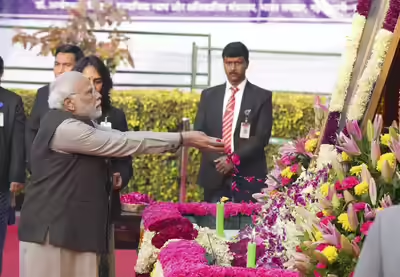
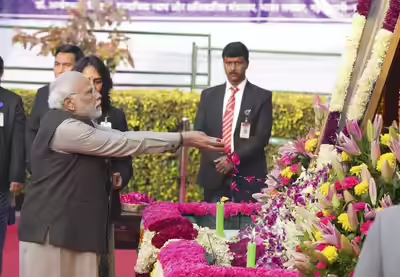
On December 6, 2025, Prime Minister Narendra Modi joined the nation in commemorating Mahaparinirvan Diwas, the death anniversary of Dr. B.R. Ambedkar, the chief architect of India’s Constitution. At the Parliament House in New Delhi, PM Modi offered floral tributes alongside President Droupadi Murmu, Vice President C.P. Radhakrishnan, and other dignitaries.
In his message, PM Modi described Ambedkar as a visionary leader whose commitment to justice, equality, and constitutional values continues to guide India’s journey. He noted that Ambedkar’s ideals inspire generations to uphold human dignity and strengthen democratic institutions.
PM Modi’s tribute in Delhi was not just ceremonial; it was a call to action. By stressing that every point of Ambedkar’s life should be remembered in its context, he urged the nation to learn from Ambedkar’s timing, courage, and vision.
Ambedkar’s journey teaches us that progress is not accidental — it is deliberate, contextual, and deeply rooted in values. As India honors him on Mahaparinirvan Diwas, the message is clear: to build a developed India, we must carry forward Ambedkar’s legacy with awareness of both his deeds and their historical significance.
Ambedkar’s Legacy in Today’s India
PM Modi’s tribute also connected Ambedkar’s vision to the idea of “Viksit Bharat” (Developed India). He emphasized that Ambedkar’s ideals should light the path as India works toward becoming a more inclusive, progressive, and democratic nation.
Ambedkar’s life reminds us that:
- Justice must be timely. His interventions came at moments when India needed structural change.
- Equality must be constant. His reforms were not one-time acts but enduring principles.
- Democracy must be nurtured. His Constitution was designed to evolve with the nation.
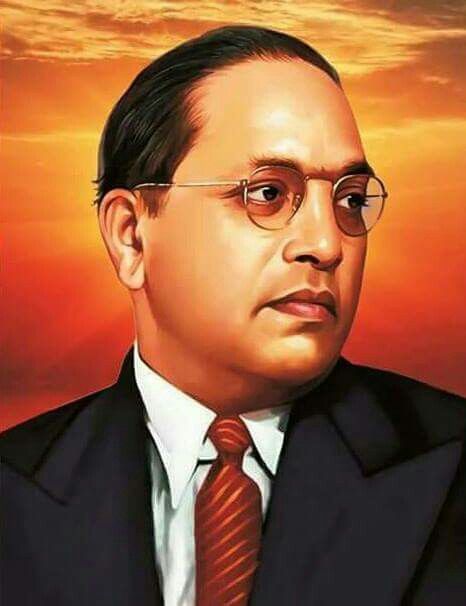
Ambedkar’s legacy is not just about laws and reforms—it is about changing mindsets. He taught Indians that freedom is incomplete without equality, and democracy is hollow without social justice. That is why he is revered as Babasaheb, a fatherly figure whose work continues to inspire movements for justice and inclusion across India.
His vision of democracy, equality, and social justice makes him a central figure in India’s identity as a republic.Ambedkar’s ideas on education, empowerment, and constitutional morality remain guiding principles for India’s progress today. Despite personal struggles and discrimination, he rose to become one of the most influential leaders in Indian history.
Educate, Agitate, Organize.”