
Story by Bahari Duniya | Written by Disha Sharma
Delhi’s new EV policy aims to curb pollution and promote cleaner, sustainable urban transportation.
The Delhi administration has completed the blueprint for its upcoming electric vehicle (EV) policy, aiming for implementation in the next fiscal year, announced Chief Minister Rekha Gupta on Saturday.
Addressing the media in New Delhi, Chief Minister Gupta stated that the forthcoming policy is designed to reduce pollution and modernize the city’s transportation network. She emphasized that vehicular emissions are a major source of PM2.5 and PM10 pollutants in the capital, and increasing the use of electric vehicles would play a key role in alleviating this environmental challenge.
Core Features Driving the 2026 EV Policy
Chief Minister Gupta also unveiled a fresh incentive program tied to vehicle scrappage. The scheme offers extra financial perks to owners who retire their old petrol or diesel vehicles and switch to electric alternatives. According to her, the initiative aims to speed up the phasing out of older, high-emission vehicles from Delhi’s streets.
Gupta introduced a new scrappage-linked incentive program, under which vehicle owners retiring old petrol or diesel cars will get extra financial support when purchasing an electric vehicle. She noted that the scheme is designed to fast-track the removal of outdated, high-pollution vehicles from Delhi’s roads.
She highlighted that automakers have been instructed to align production with demand, maintain timely vehicle deliveries, and offer competitive pricing. Additionally, the government is engaging with power utilities, car manufacturers, and scrap dealers to ensure smooth implementation. The draft policy will be made available for public consultation to gather citizens’ feedback.
Delhi Plans EV Charging Beyond Public Hotspots
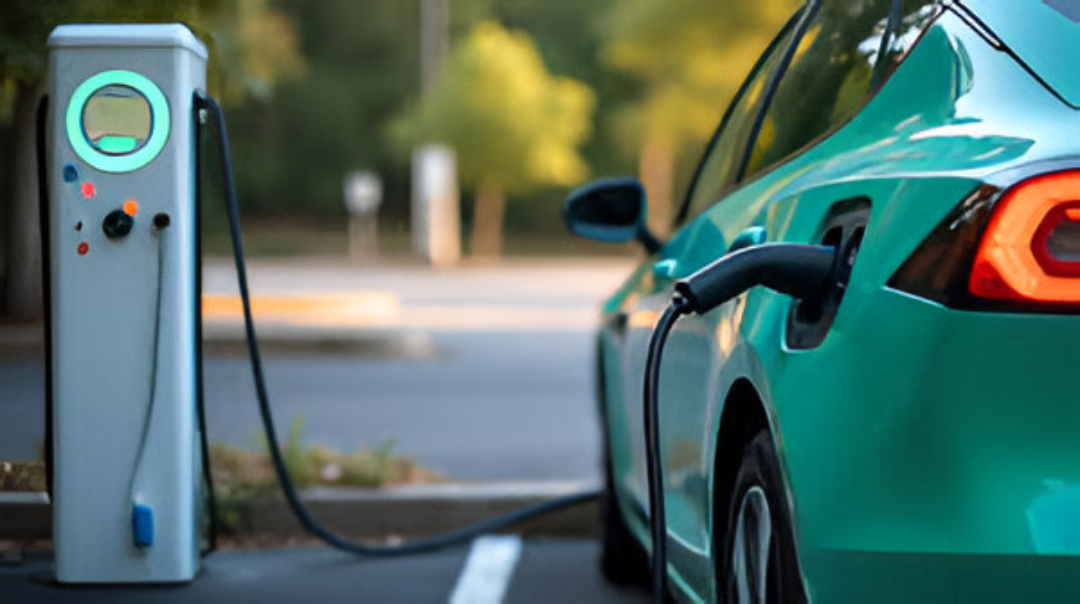
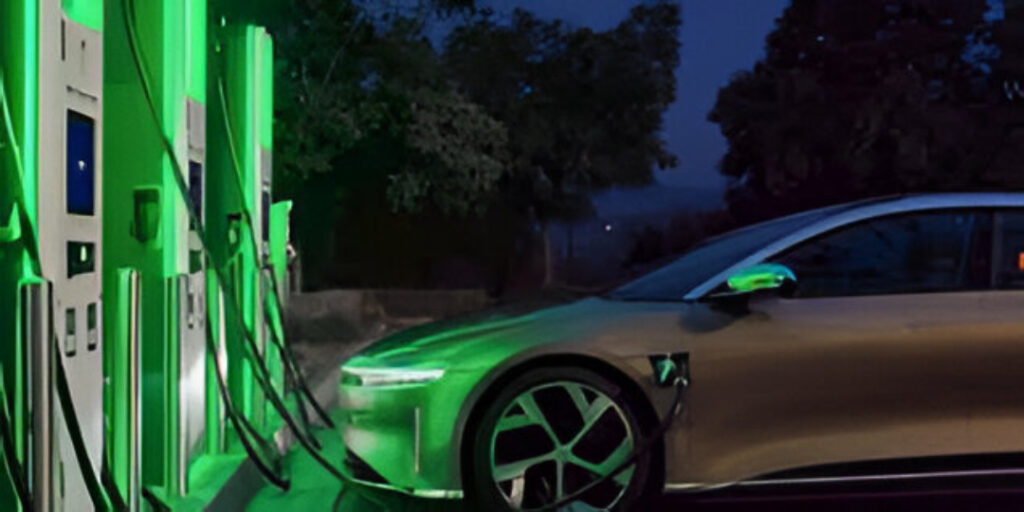
Regarding charging infrastructure, Gupta stated that public charging stations will be installed not only at major public spots but also close to residential neighborhoods. The policy will also cover battery-swapping facilities and the environmentally safe disposal of used batteries. She added that vehicle owners will be provided sufficient time to transition to electric mobility.
Related Video: Can EV Push Tackle India’s Air Emergency? | The Big Question | AQI | Air Pollution
To reinforce the EV policy framework, a Group of Ministers led by Power and Education Minister Ashish Sood has been constituted. According to the Chief Minister, the committee will receive guidance from IIT Delhi experts and other advisors to tackle key challenges, including battery recycling and the expansion of charging infrastructure.
Read more news like this on Bahariduniya.com